Posts by KateV
Vaccines and Vaccine Reactions in Ferrets
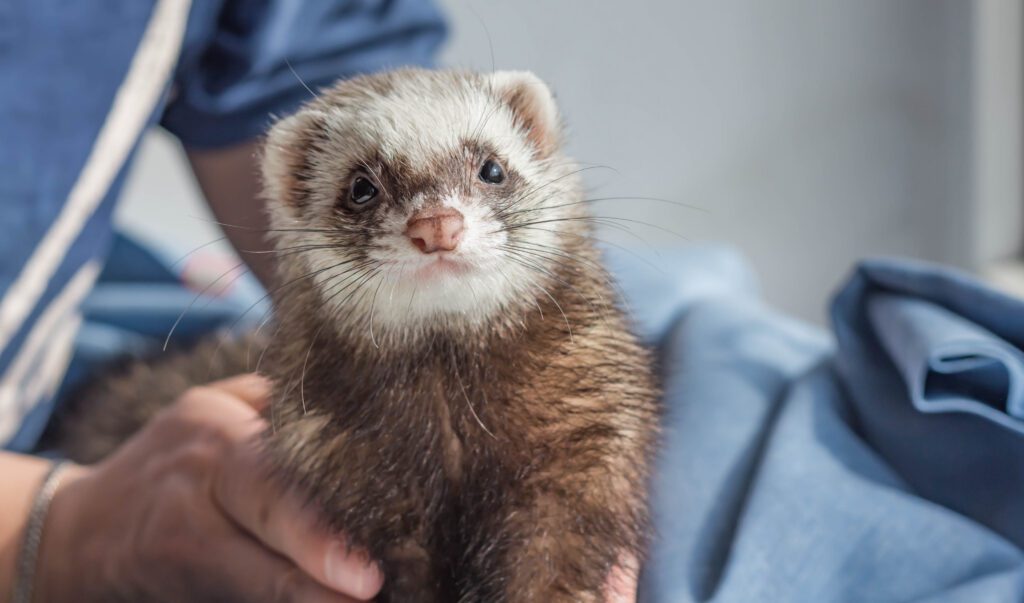
Why Vaccines Matter in Ferrets Vaccination is a critical part of preventive care for ferrets. Two viral diseases—canine distemper and rabies—are both fatal, and one of them poses a direct risk to people. Because ferrets are more prone to vaccine reactions than dogs and cats, vaccines must be given thoughtfully, safely, and under veterinary supervision.…
Read MoreFerret Insulinoma
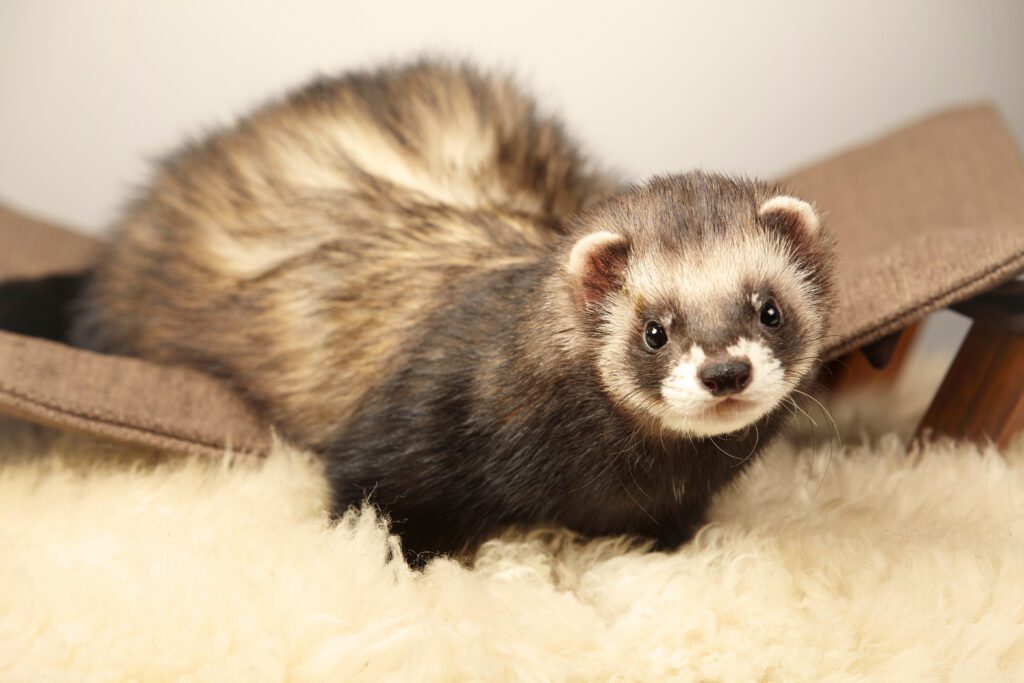
What is Insulinoma? Insulinoma is one of the most common diseases of middle-aged to older ferrets. It is caused by an abnormal growth (tumor) of the pancreas, specifically the insulin-producing beta cells. These tumors release excess insulin, which causes the ferret’s blood glucose (blood sugar) levels to drop too low. Blood sugar is essential for…
Read MoreHeartworm Disease in Ferrets
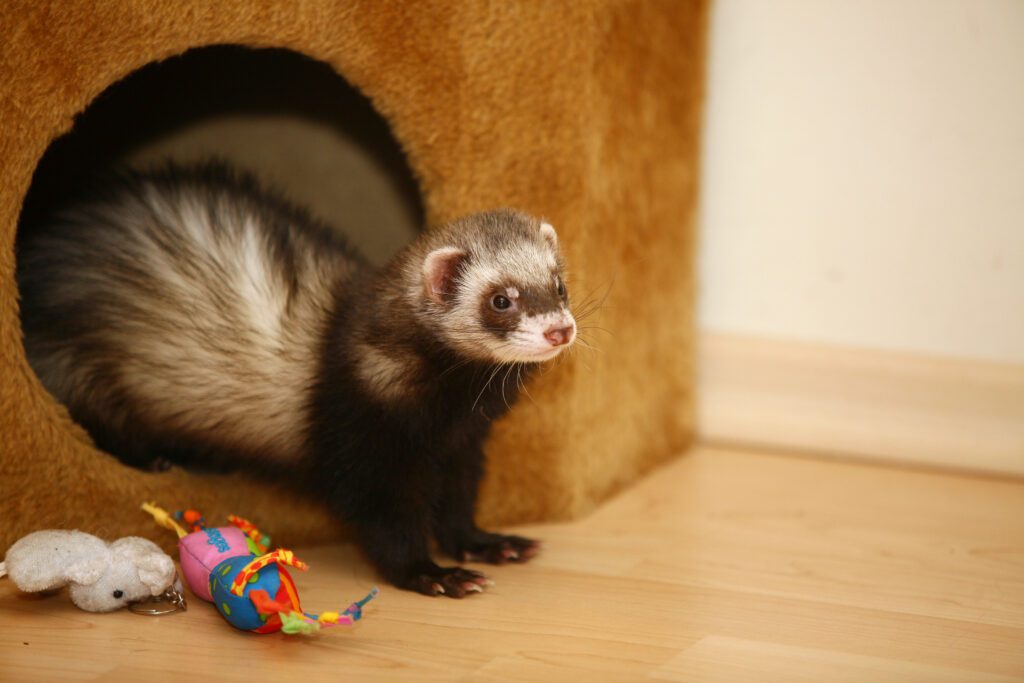
What is Heartworm Disease? Heartworm disease is a serious and potentially fatal parasitic infection transmitted by mosquitoes. It affects dogs, cats, ferrets, and wildlife. Although less common in ferrets than in dogs, heartworm disease is especially dangerous in ferrets. Even a very small number of worms—as few as one to two adult heartworms—can cause severe…
Read MoreFerret Adrenal Disease
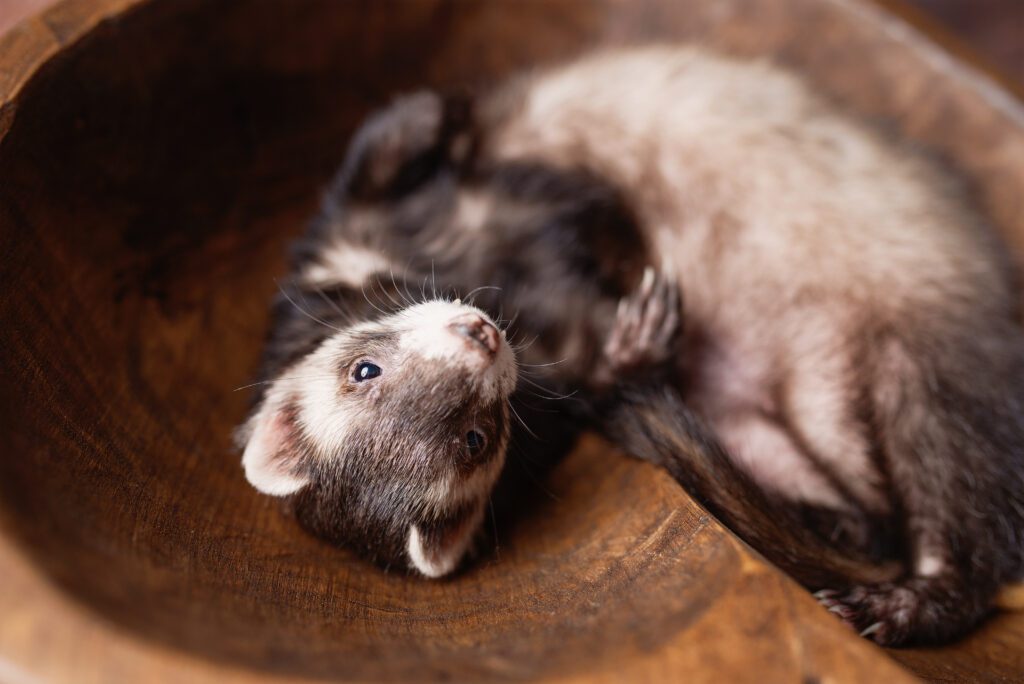
What is Adrenal Disease Ferret adrenal disease, also called hyperadrenocorticism, is one of the most common medical conditions affecting pet ferrets. In the United States, up to 70 percent of ferrets develop adrenal disease during their lifetime. The adrenal glands are two small organs located near the kidneys. They normally produce hormones that regulate many…
Read MoreFeather Destructive Behavior (Feather Picking)
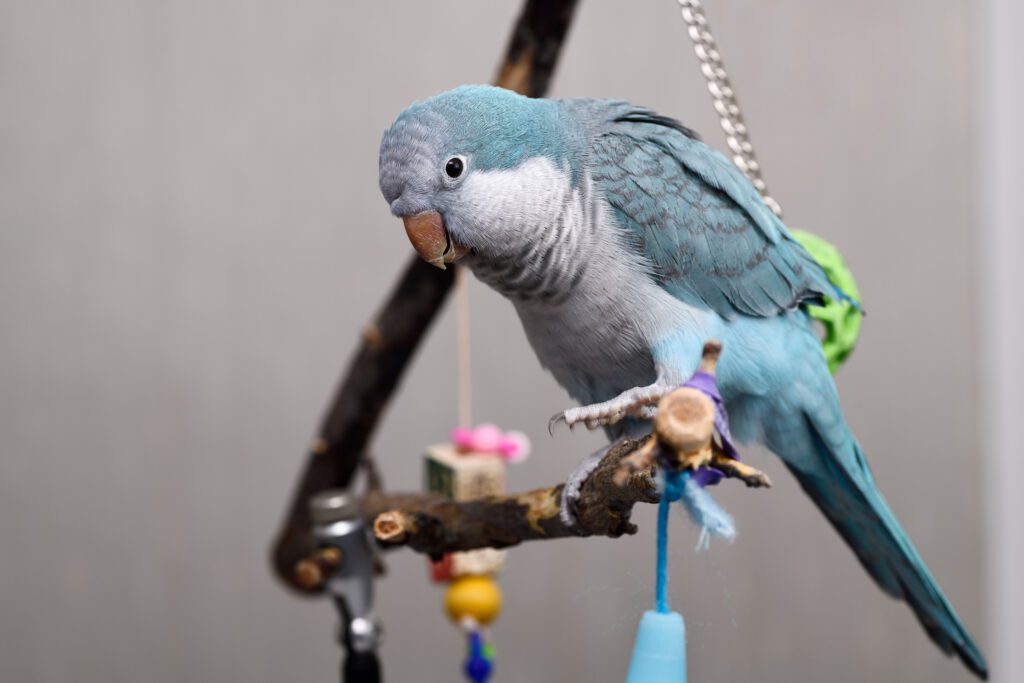
Feather picking is a sign, not a diagnosis. Medical problems, pain, hormones, environment, and behavior can all contribute—often more than one at the same time. Early work-up + a structured care plan gives the best chance of improvement. What It Is (and Isn’t) Seen almost exclusively in captive birds; wild birds do not normally self-pluck.…
Read MoreEgg Yolk Peritonitis in Chickens
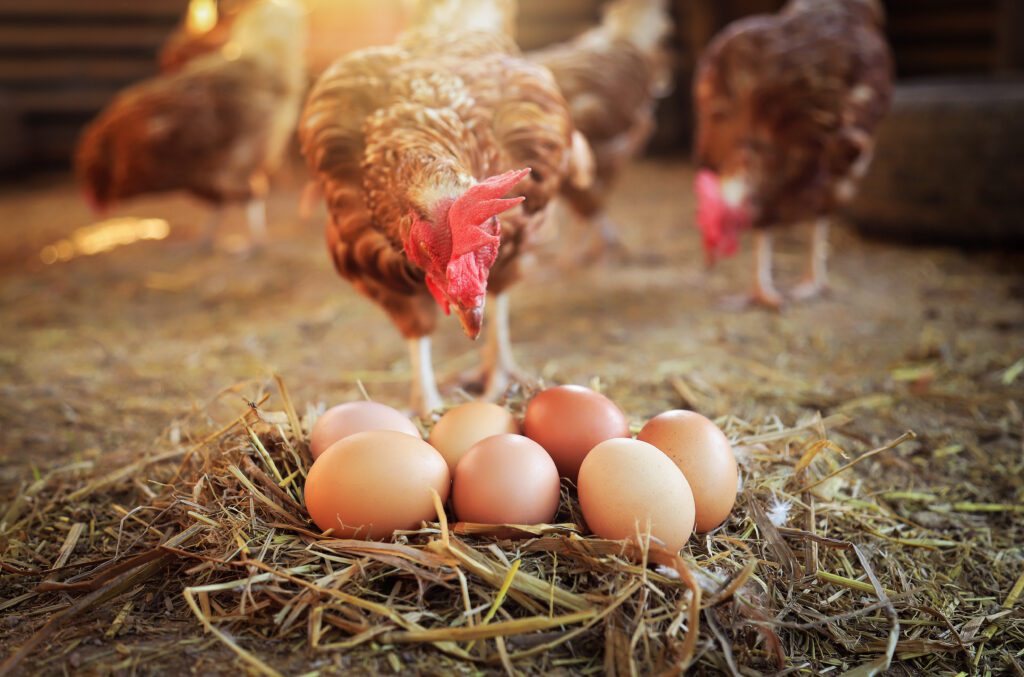
What Is Egg Yolk Peritonitis? Egg yolk peritonitis (EYP) is a common and potentially serious condition in laying hens. It occurs when egg yolk material ends up inside the abdominal cavity instead of traveling normally through the reproductive tract. Egg yolk outside the oviduct acts like a foreign substance, triggering inflammation and often bacterial infection…
Read MoreDental Disease in Rabbits
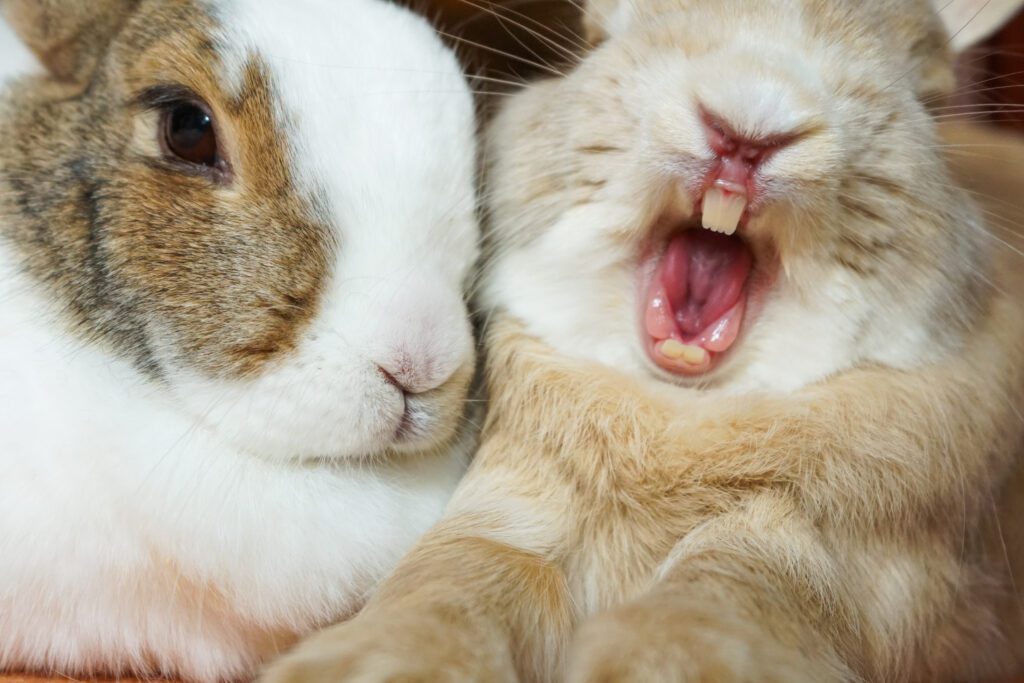
Dental disease is one of the most common medical problems in rabbits and is now recognized as the underlying cause of many other serious conditions. Understanding rabbit dental health is essential for both veterinarians and rabbit owners, as early detection greatly improves outcomes. Why Dental Disease is so Common in Rabbits Rabbits are herbivores designed…
Read MoreCommon Causes of Soft-Shelled Eggs in Chickens
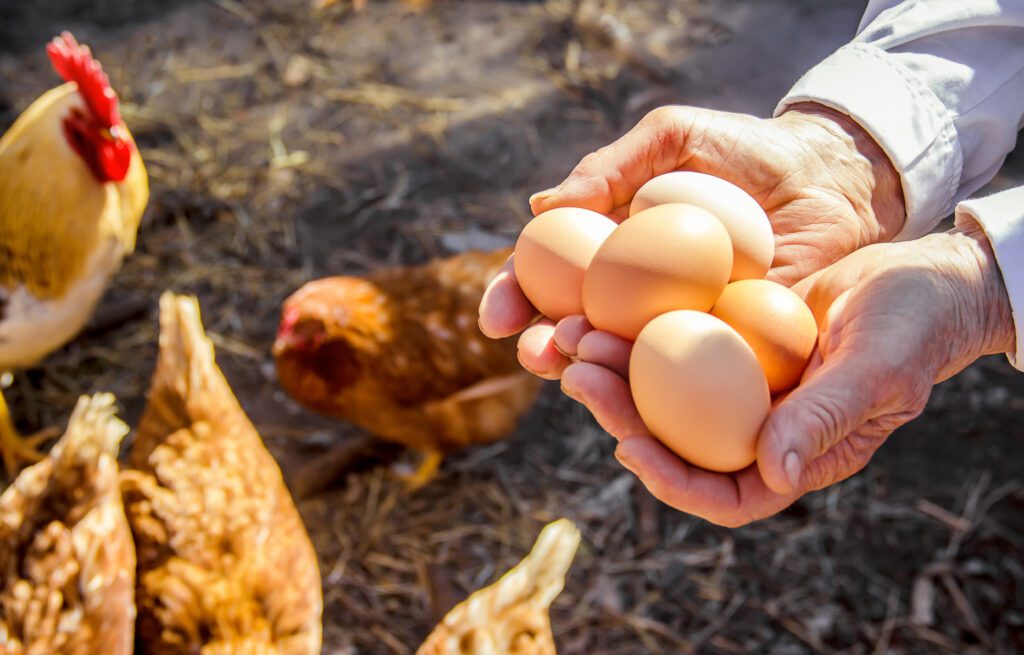
What They Mean and What You Can Do Finding a soft-shelled or shell-less egg can be alarming, but in many cases the cause is manageable. Eggshell quality depends on nutrition, environment, and a hen’s overall health. Below are the most common reasons soft-shelled eggs occur and how to address them. Common Causes of Soft-Shelled Eggs…
Read MoreChicken Lice Treatment and Home Care Guide
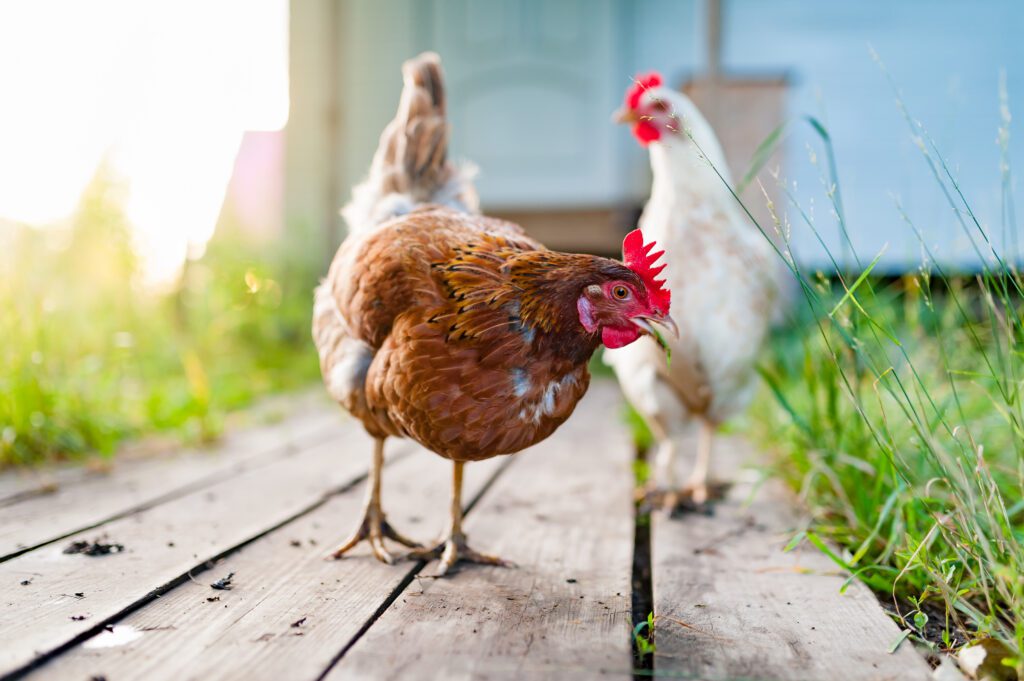
Your chicken has been diagnosed with lice, a common external parasite in backyard poultry. The good news is that lice are treatable and most birds recover quickly once treatment begins. Lice are small insects that live on the chicken’s skin and feathers. They feed on feather material and skin debris. While they are irritating for chickens, they…
Read MoreBumblefoot (Pododermatitis in Birds)
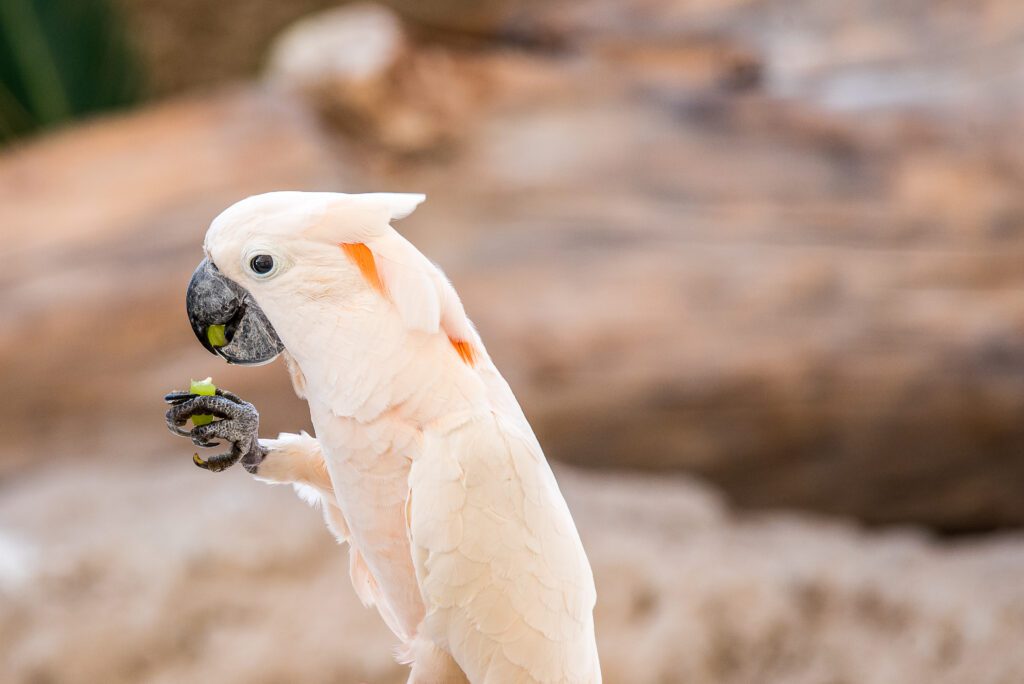
Bumblefoot is a pressure and infection problem of the feet. It starts with skin damage from improper perches, poor footing, excess weight, or inactivity and can progress to deep infection (arthritis/osteomyelitis). Early, systematic care works; late cases need surgery. Who gets it? Common: poultry, raptors, waterfowl; can affect parrots and other perching birds. Higher risk: heavier…
Read More