Bookmark our pet care blog—your trusted resource for expert tips, helpful advice, and more! Whether you're an experienced pet owner or welcoming a new companion, we’re here to guide you on health, wellness, training, and daily care. Our goal is to help your pet stay happy, healthy, and thriving.
For even more in-depth pet care insights, visit The Conscious Vet to explore Dr. Magnuson's personal blog!
What are the most dangerous items in my house for my pets?

Question: What are the most dangerous items in my house for my pets? Answer: Your house is filled with many lurking dangers. Most are those that can be eaten by your...
Do I need pet insurance for my pet?
Absolutely! I compare pet insurance to car insurance…they are very much the same in concept. Your car insurance does not cover your routine oil change and maintenance but it does...
What does it mean to have a Standard of Care?
It means the hospital is responsible to provide a level of care that meets or exceeds a standard established by the American Animal Hospital Association (AAHA.) AAHA is the only...
Does my pet really need a dental cleaning?
Yes, your pet does, at least once a year. Your dog or cat NEVER brushes their teeth (unless you do brush your pet's teeth, and if you do, hats off...
Pet Obesity is an Epidemic!
It is estimated that over 54% of dogs and cats are overweight or obese. That is truly frightening when you think about that, over half of our pets are at...
What did my chicken eat?!!!

Have you ever wondered what your chickens are eating when they are free ranging? Well, they eat anything they can find. Yes, normally they eat bugs, seeds and some plants...
Your Pet Could Be Hurting, and You May Not Even Know It…

Your Pet Could Be Hurting & You May Not Even Know It... We love our pets and the number one question I get from owners is “Do...
Your Pet and Preventatives

Why is heartworm prevention so important? Heartworm disease in dogs, cats and ferrets is very serious business. It is so much easier (and cheaper) to prevent heartworm disease than it...
Lasers and Pets!

The latest and greatest pain relief for pets are LASERS! Class IV Therapy Lasers reduce pain and inflammation caused by a variety of issues. Lasers are used to treat arthritis, hot...
Puppy Crate Training Harder Than Expected?
Is the honeymoon period is over? If this is your reality you figured out that crate training a young puppy is a lot of hard work! I tell my clients...
IS GRAIN-FREE FOOD OKAY FOR MY DOG? YES!
Recently the FDA launched its investigation into whether there is a link between some grain-free foods and DCM (Dilated Cardiomyopathy) in dogs- I have been bombarded by concerned clients worrying...
Study shows we do mirror our pets!
In my book Animality, How Pets and People Connect, I describe how we mirror our pets. We do this emotionally, physically, mentally, and even in our medical illnesses. As I...
10 Toxic Items Not to Feed Your Dog or Cat
There are many foods we can share with our pets but there are some that can cause death. Be careful and know what is safe to feed and what is...
Why does my dog eat grass?
Aaaah, the most asked question of dog owners! The simple answer...because your dog can! Dogs are, what are called, opportunistic carnivores. What does that mean? It means they eat meat...
Should I be worried about my dog contracting Lyme Disease?
YES you should be worried! Tick-borne disease is at epidemic levels! What is Lyme Disease? Lyme is a tick-borne disease that is spread by a deer tick. Ticks transmit...
Is my dog fat? Is my cat fat?
Pet Obesity is an Epidemic! The Association for Pet Obesity Prevention (APOP) conducted its 2018 survey. The results are in and they found 56% of dogs and 60% of cats...
Nutrition: What is good gut health?
I am starting a series on nutrition and I want to begin by talking about what is good gut health. Your pet's gut is the basis of his or her...
Should I use CBD oil for my pet?
At this time...no you should not. CBD or cannabidiol was found to be highly effective for a seizure disorder in children called Dravet syndrome. This led to the production of...
Responsible Pet Ownership
Pet ownership comes with many responsibilities, the biggest being financial. Pets cost money, and not just to buy them, but to care for them. Cost of a Pet Be sure...
FDA, DCM and Grain-free Diets
The Federal Drug Administration (FDA) launched a study one year ago investigating dogs diagnosed with Dilated Cardiomyopathy (DCM) that were considered atypical breeds (different than the breeds listed.) Certain breeds...
Is Your Veterinary Hospital AAHA Accredited?
The American Animal Hospital Association (AAHA) is the only accrediting organization in the United State and Canada for veterinary hospitals. Only 15% of the 26,000 hospitals in the US are...
Heartworm disease is REAL!
Your veterinarian or veterinary nurse or technician is NOT trying to SELL you heartworm prevention. They are genuinely concerned and want to prevent a potentially FATAL disease because they love...
Diarrhea in Dogs–Simple Fixes
Dogs typically have diarrhea at the most inopportune times! It is usually on the weekend or in the middle of the night. If your dog is acting normal, not vomiting,...
Our Pets Save Us
On any given day, one of our family pets will be found in bed with one of my daughters. Our pets give us emotional support, reduce anxiety, and decrease our...
Can My Dog or Cat Get Coronavirus (COVID-19)?
The quick answer...nobody knows! Coronaviruses have been around for many years and extensively studied. They are a group of viruses that typically cause disease in animals. A brand new strain...
Greenland Veterinary Hospital: Exceptional Care Rooted in Trust and Expertise

At Greenland Veterinary Hospital, exceptional veterinary care is more than just state-of-the-art medicine—it’s about relationships. As an AAHA-accredited hospital, Greenland Veterinary Hospital upholds the highest standards in veterinary medicine, but...
Pet Friendly Restaurants in the Greenland Area and Surrounding Area’s

At Greenland Veterinary Hospital, we know that pets are family, and finding places where you can enjoy a meal with your four-legged companion can make all the difference. That’s why...
Top Dog Parks Near Greenland, NH

At Greenland Veterinary Hospital, we know how important it is for dogs to get regular exercise and socialization. To make it easier for pet owners in the area, we’ve put...
Brumation in Bearded Dragons
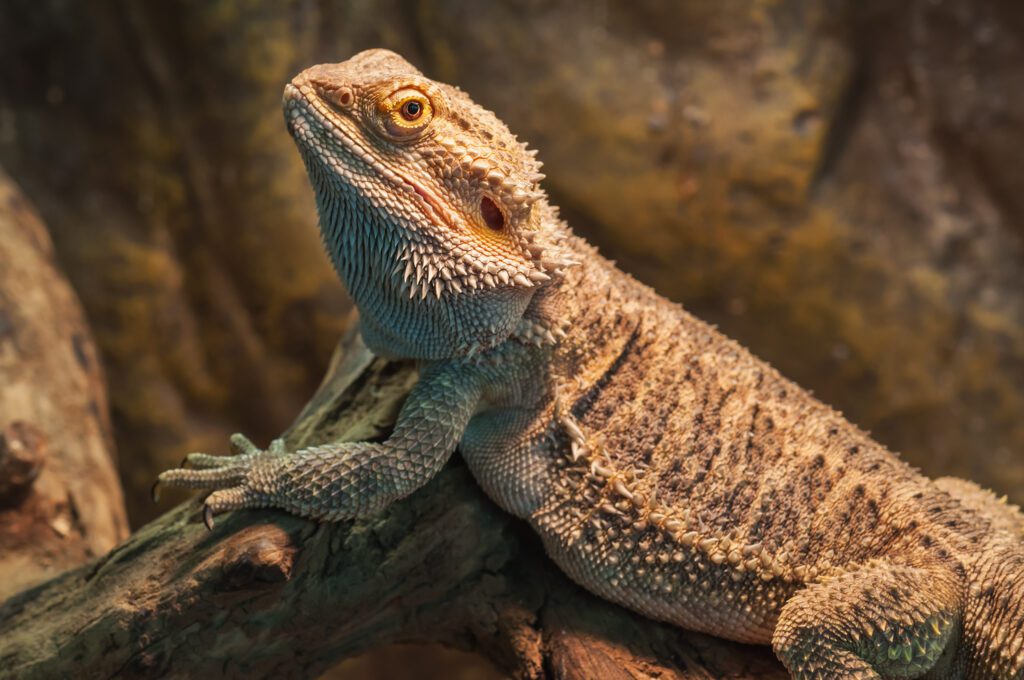
Bearded dragons (Pogona vitticeps) are native to the arid regions of Australia. In the wild, they experience seasonal changes in temperature and daylight. One normal response to these changes is...
Why Is My Bird’s Beak Overgrowing?
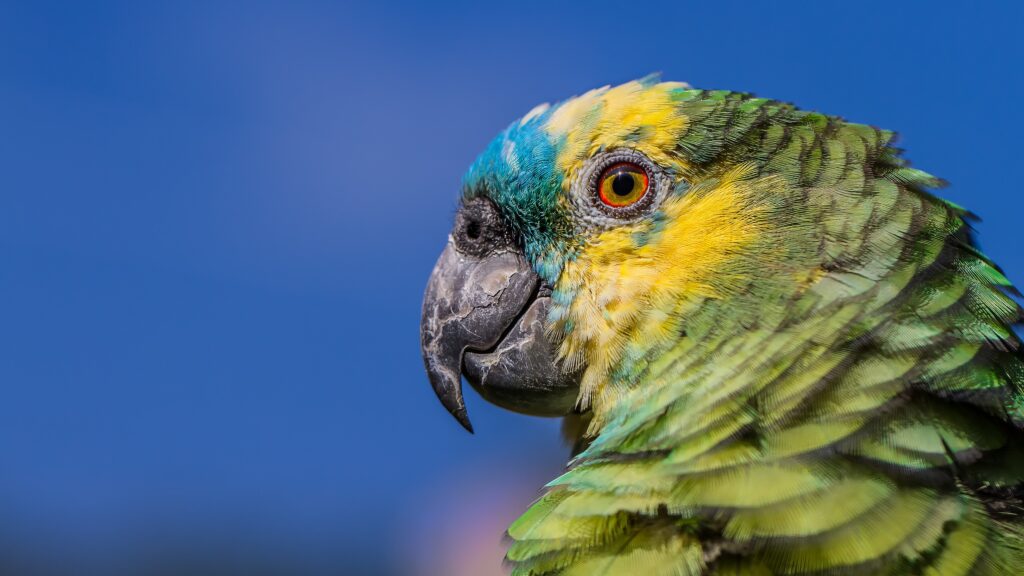
A healthy bird’s beak grows continuously throughout life, much like our fingernails. Under normal circumstances, daily eating, climbing, chewing, and playing naturally wear the beak down and keep it at...
Transitioning Birds From Seed Diets to Pellets and Fresh Foods
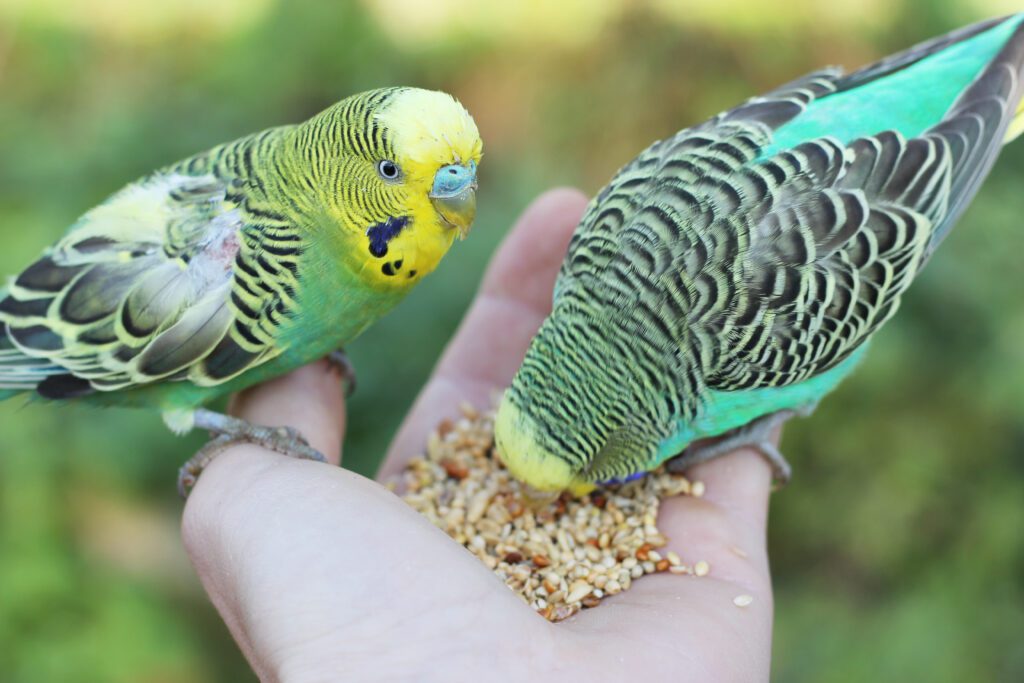
A healthy diet is one of the most important factors in your bird’s long-term health. Many companion birds are raised on seed diets, but seeds alone are nutritionally incomplete and...
State Laboratory and NPIP Resources for Poultry Owners
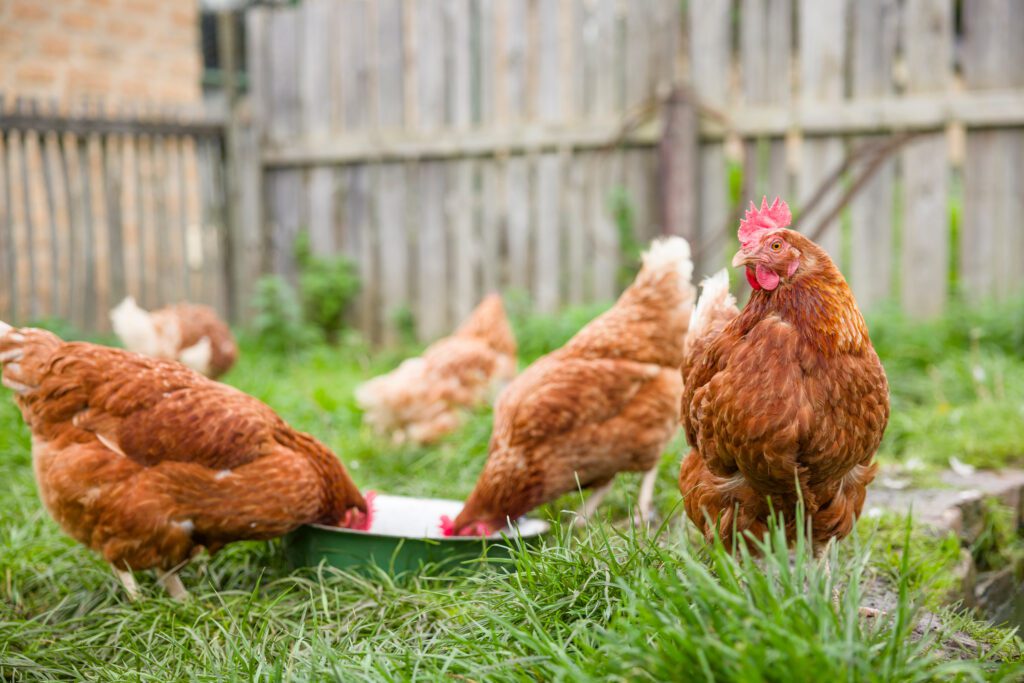
Early testing and proper reporting protect your flock, neighboring flocks, and public health. The resources below help you find trusted testing laboratories, state poultry officials, and disease control programs quickly...
Scaly Leg Mite in Chickens
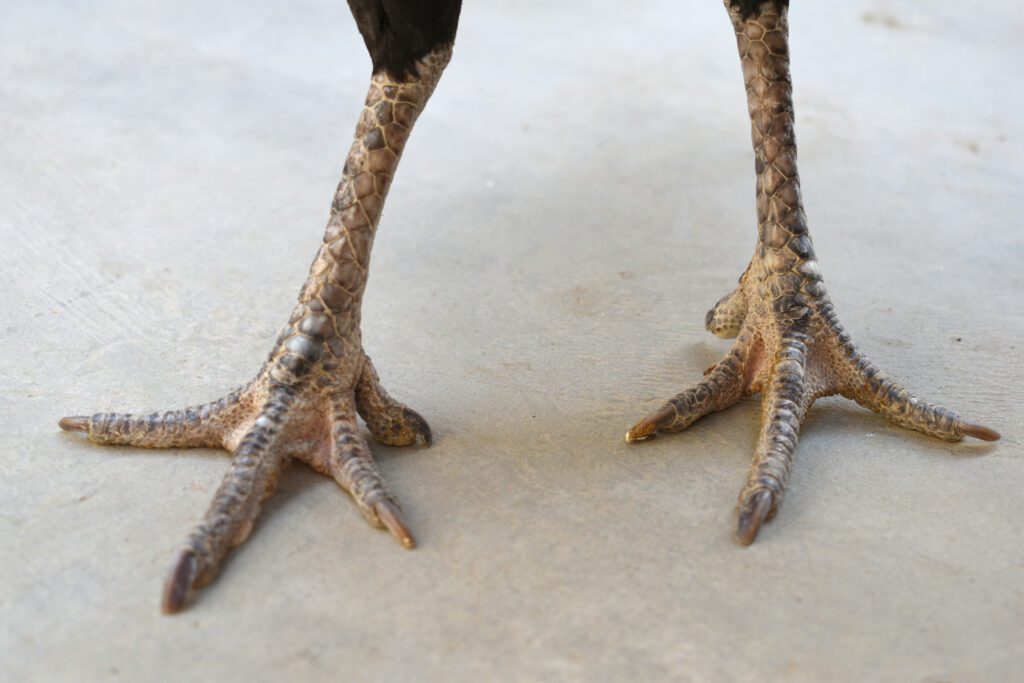
What Is Scaly Leg Mite? Scaly leg mite (Knemidocoptes) is a microscopic parasite that burrows underneath the scales of a chicken’s legs and feet. As the mites tunnel and reproduce,...
Bladder Sludge in Rabbits
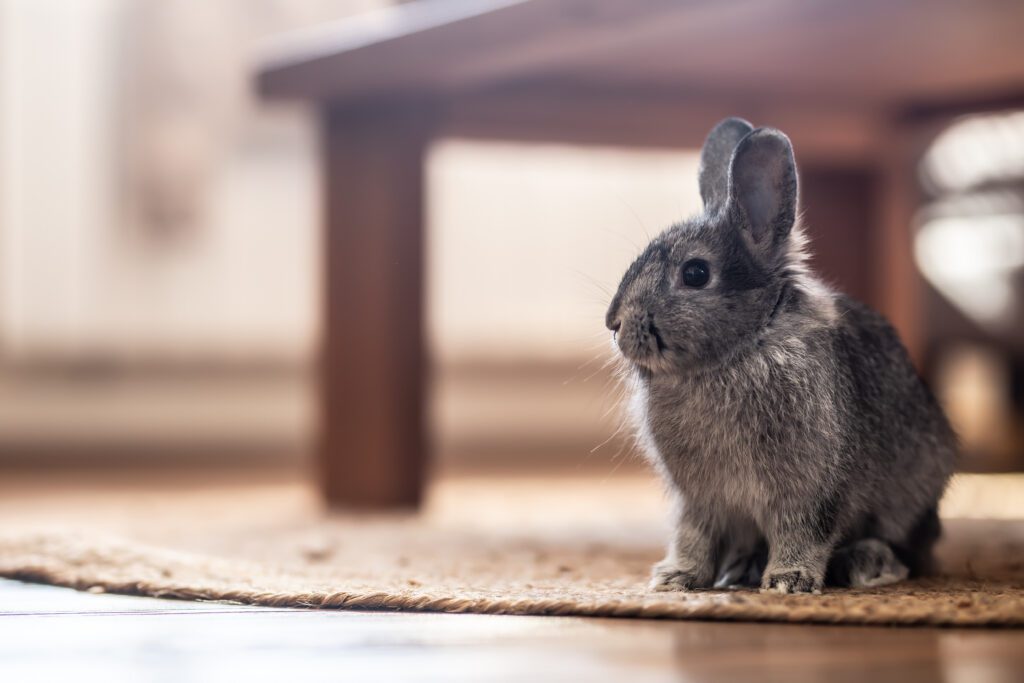
Bladder sludge is a fairly common condition that can affect rabbits of any age or breed. While it is often manageable, it can be difficult to cure completely and may...
Avian Bornavirus (ABV) and PDD in Pet Birds
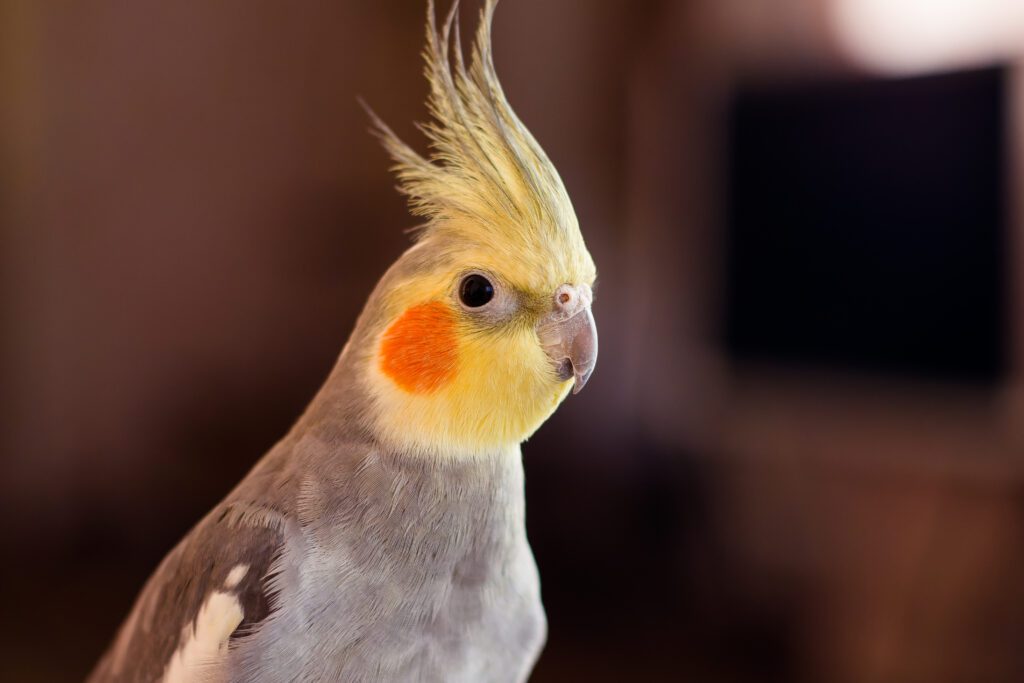
What Is Avian Bornavirus? Avian Bornavirus (ABV) is a group of RNA viruses that can infect many bird species, especially parrots and other psittacines. ABV has been identified worldwide and...
Bringing Your Pet Bird to the Veterinary Hospital
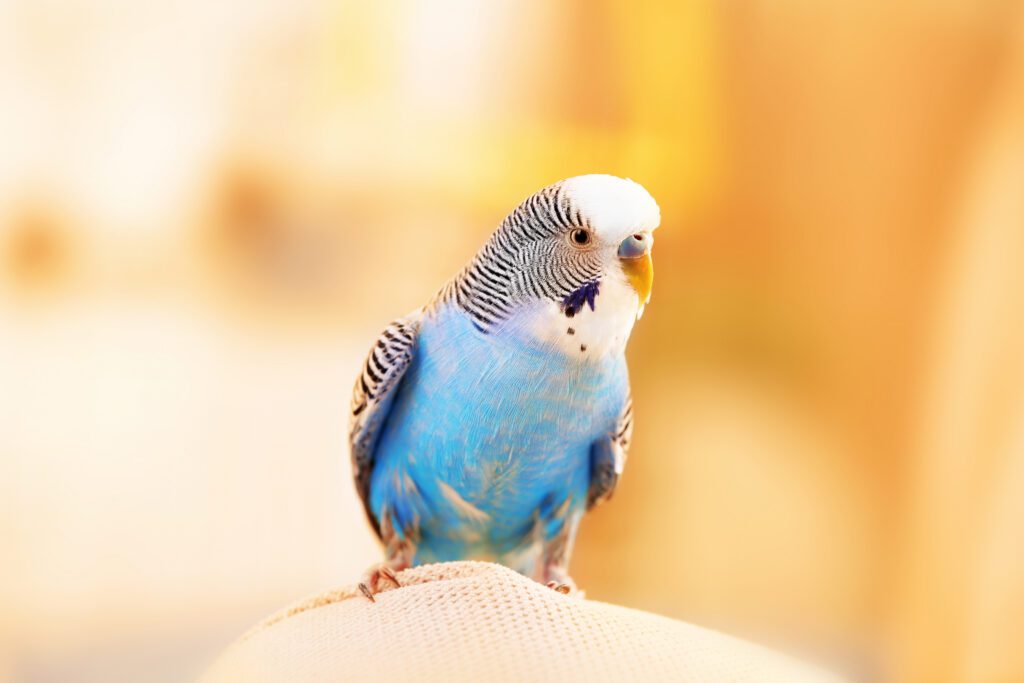
We follow AAHA standards that prioritize patient safety, gentle handling, and minimizing stress. Birds are especially sensitive to handling, temperature changes, and unfamiliar environments. With the right preparation, you can...
Avian Wing Trims
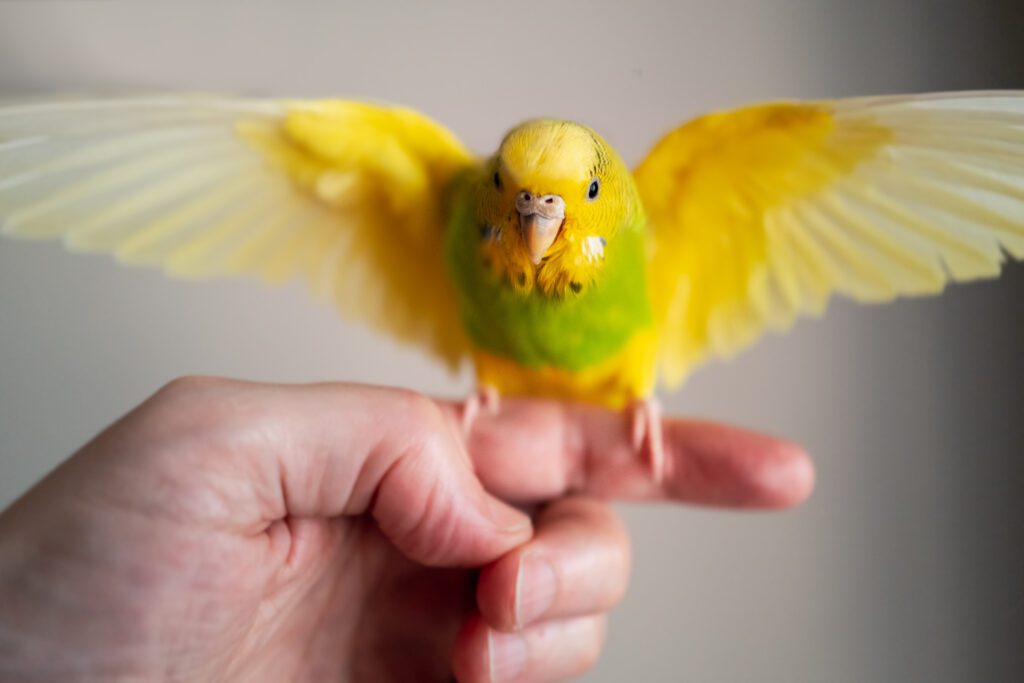
Wing trims are a management tool, not a default. The goal is controlled glide (no gain in altitude) while preserving balance, confidence, and the ability to land safely. Over‑trimming causes...
Bumblefoot (Pododermatitis in Birds)
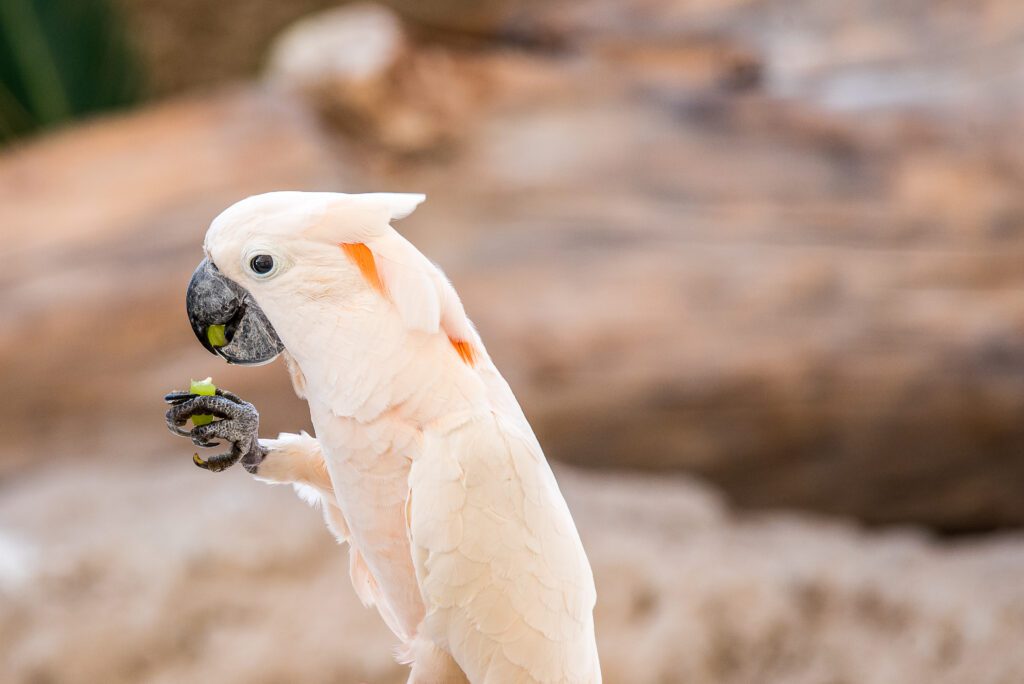
Bumblefoot is a pressure and infection problem of the feet. It starts with skin damage from improper perches, poor footing, excess weight, or inactivity and can progress to deep infection...
Chicken Lice Treatment and Home Care Guide
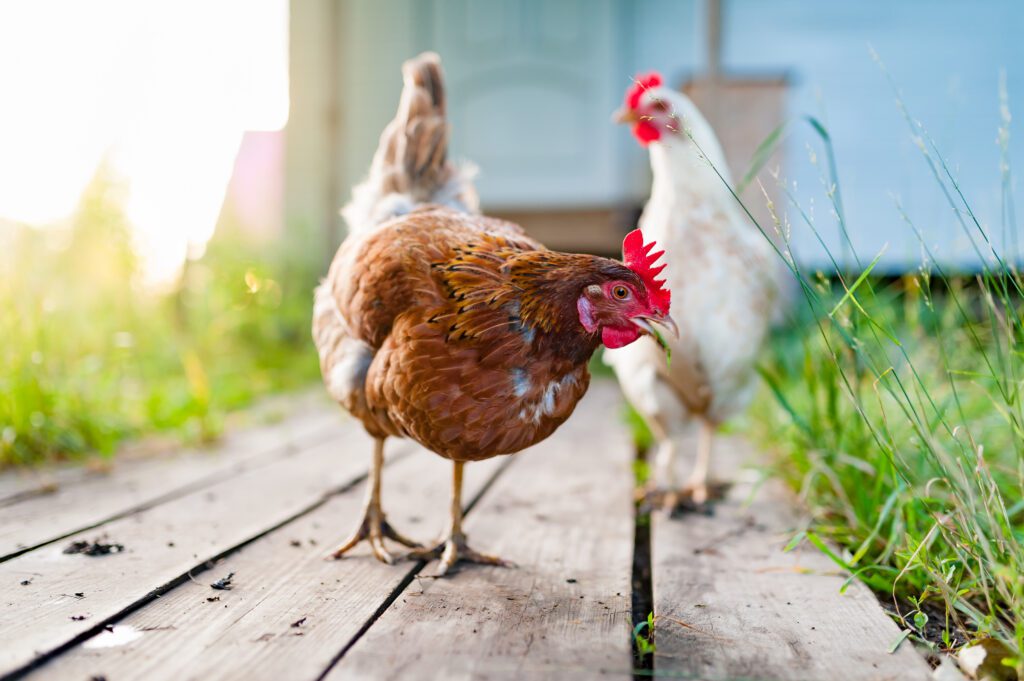
Your chicken has been diagnosed with lice, a common external parasite in backyard poultry. The good news is that lice are treatable and most birds recover quickly once treatment begins. Lice...
Common Causes of Soft-Shelled Eggs in Chickens
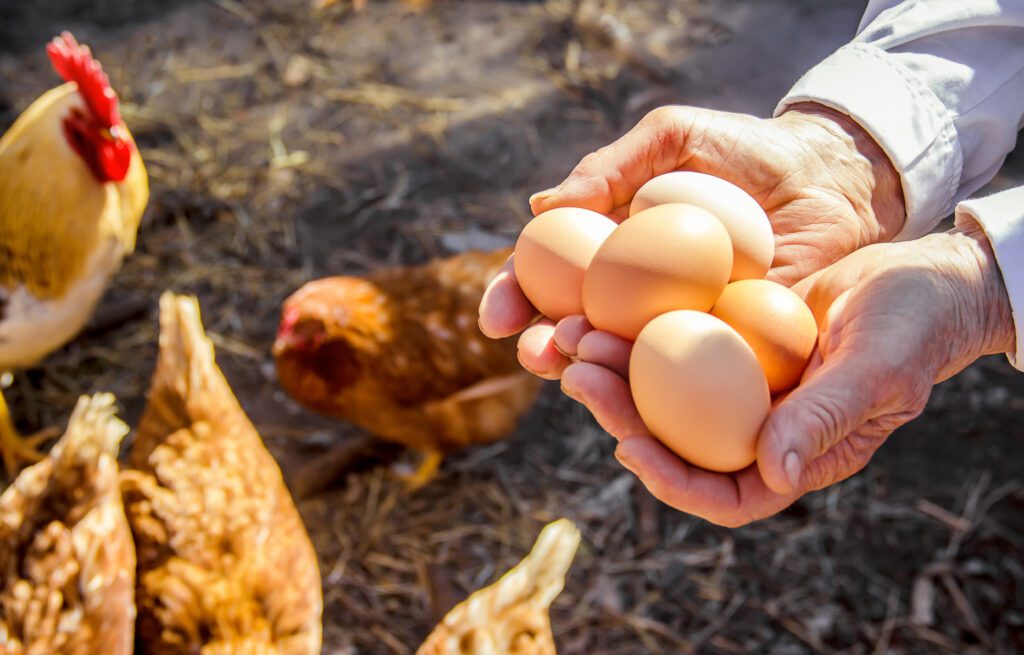
What They Mean and What You Can Do Finding a soft-shelled or shell-less egg can be alarming, but in many cases the cause is manageable. Eggshell quality depends on nutrition,...
Dental Disease in Rabbits
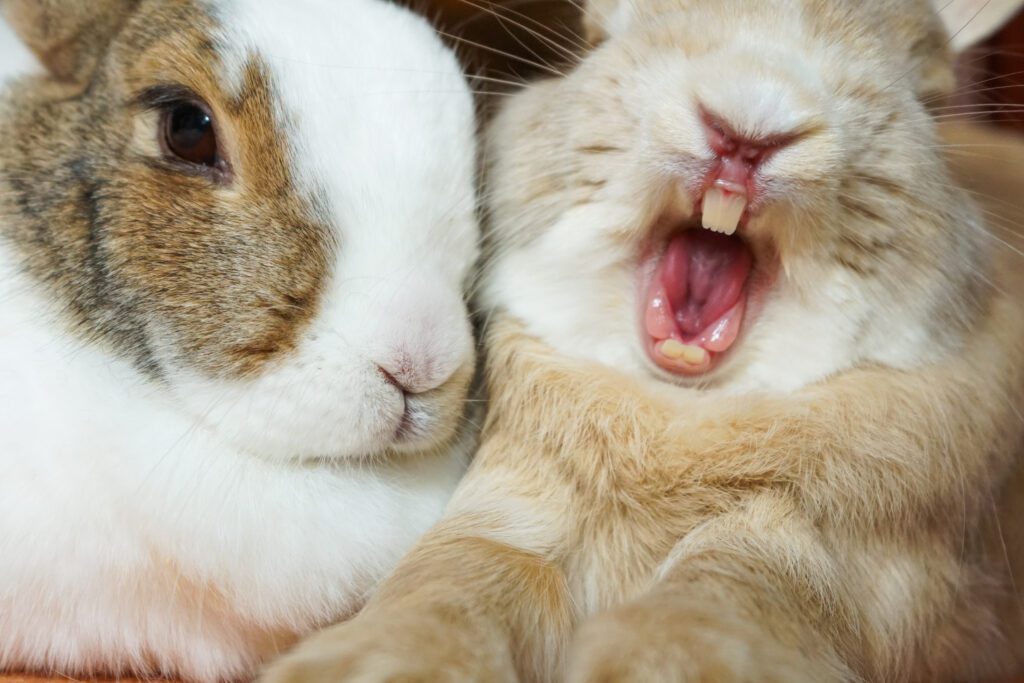
Dental disease is one of the most common medical problems in rabbits and is now recognized as the underlying cause of many other serious conditions. Understanding rabbit dental health is...
Egg Yolk Peritonitis in Chickens
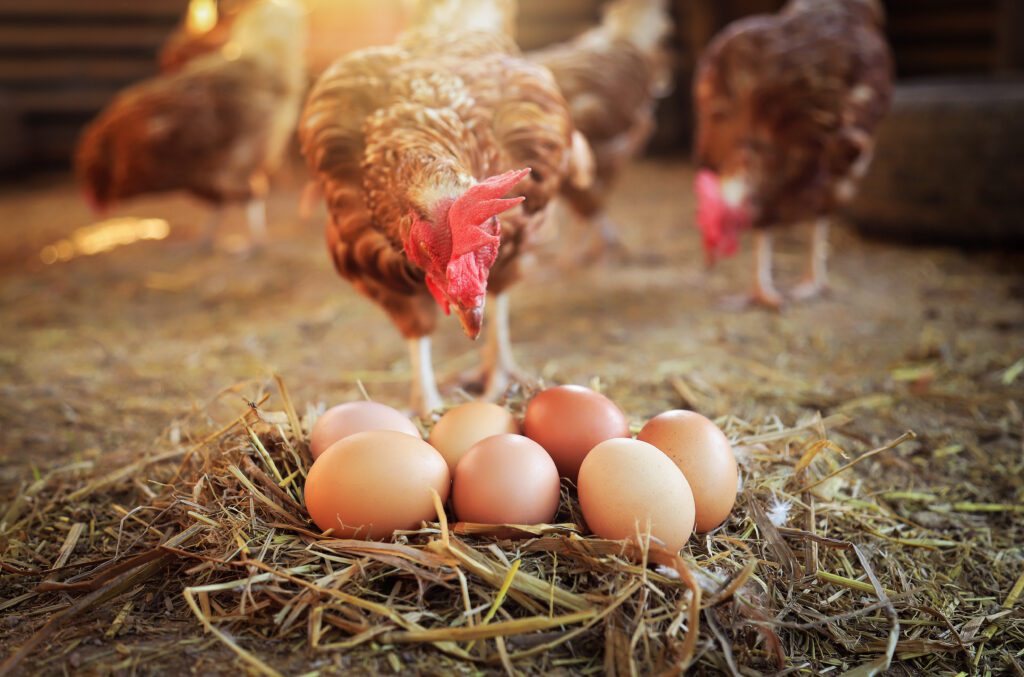
What Is Egg Yolk Peritonitis? Egg yolk peritonitis (EYP) is a common and potentially serious condition in laying hens. It occurs when egg yolk material ends up inside the abdominal...
Feather Destructive Behavior (Feather Picking)
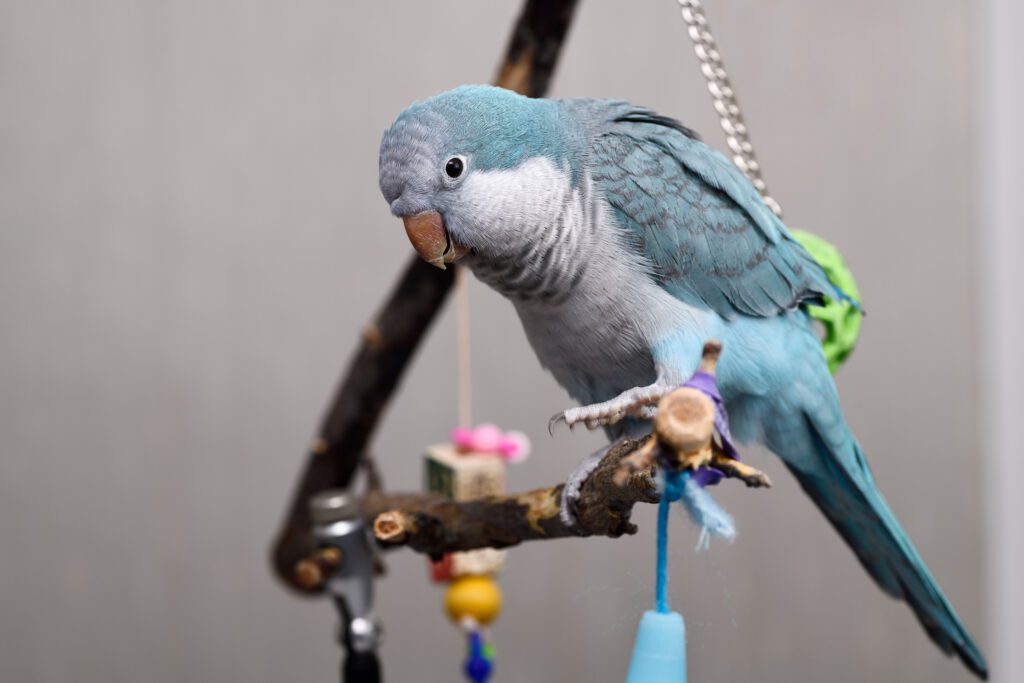
Feather picking is a sign, not a diagnosis. Medical problems, pain, hormones, environment, and behavior can all contribute—often more than one at the same time. Early work-up + a structured...
Ferret Adrenal Disease
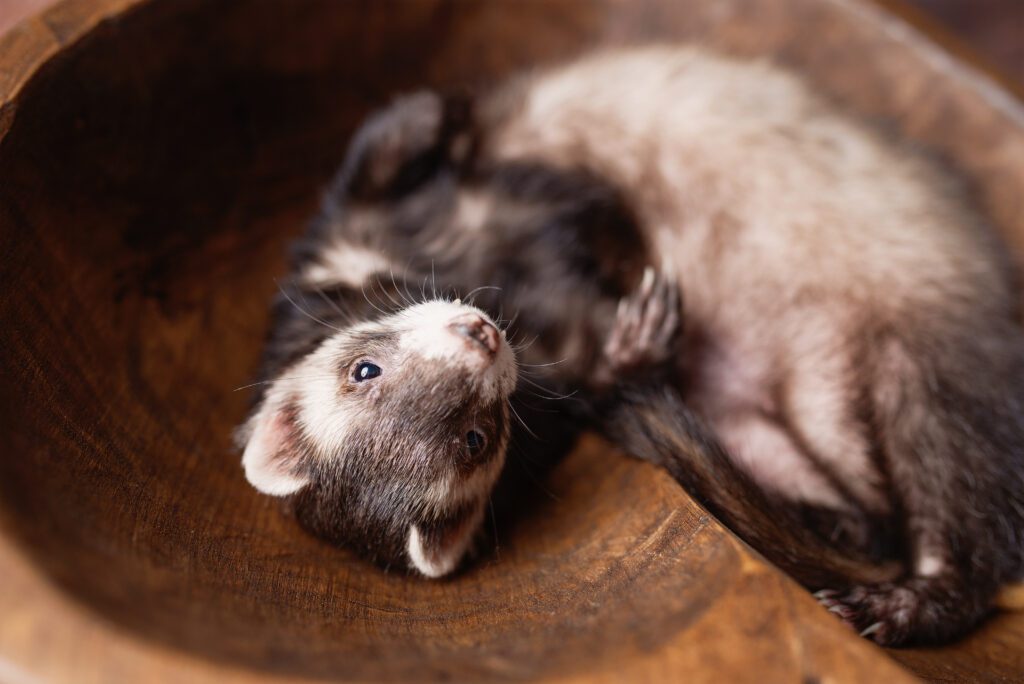
What is Adrenal Disease Ferret adrenal disease, also called hyperadrenocorticism, is one of the most common medical conditions affecting pet ferrets. In the United States, up to 70 percent of...
Heartworm Disease in Ferrets
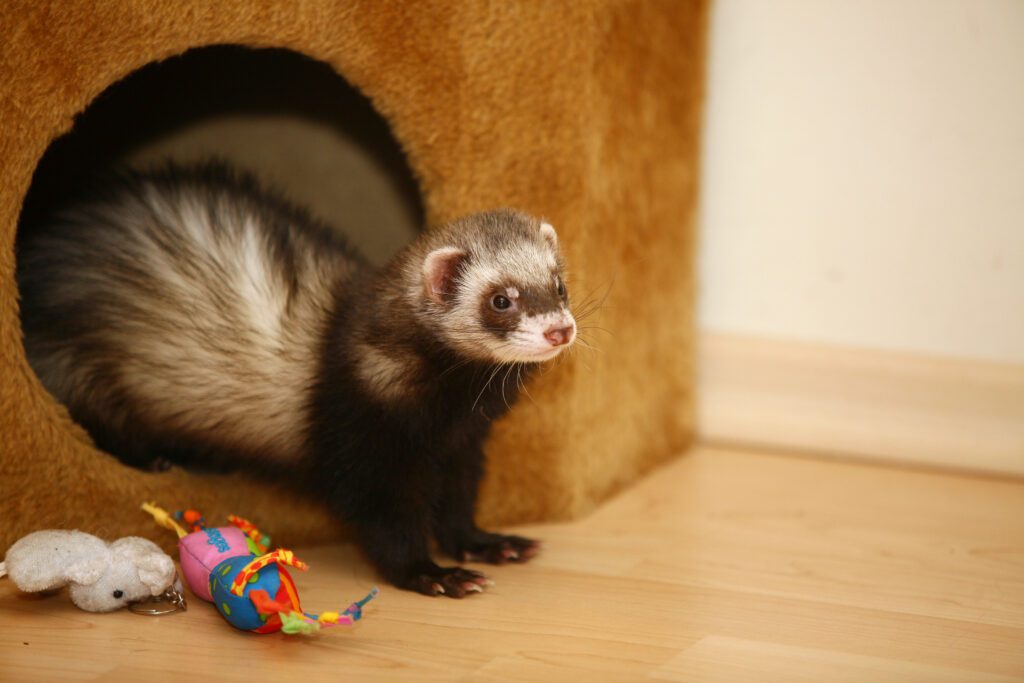
What is Heartworm Disease? Heartworm disease is a serious and potentially fatal parasitic infection transmitted by mosquitoes. It affects dogs, cats, ferrets, and wildlife. Although less common in ferrets than...
Ferret Insulinoma
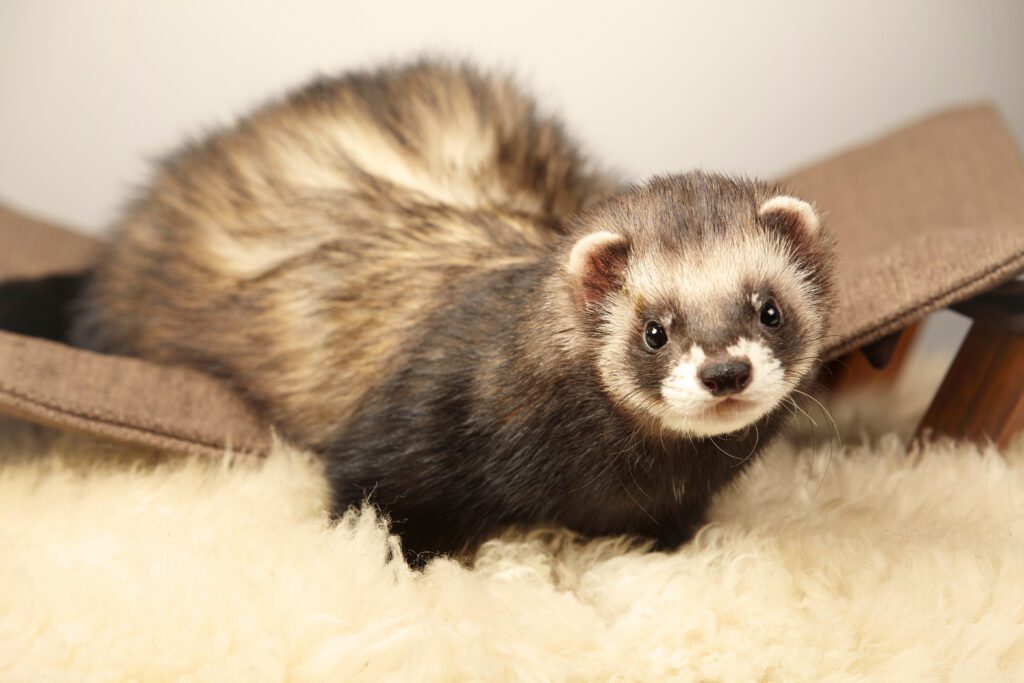
What is Insulinoma? Insulinoma is one of the most common diseases of middle-aged to older ferrets. It is caused by an abnormal growth (tumor) of the pancreas, specifically the insulin-producing...
Vaccines and Vaccine Reactions in Ferrets
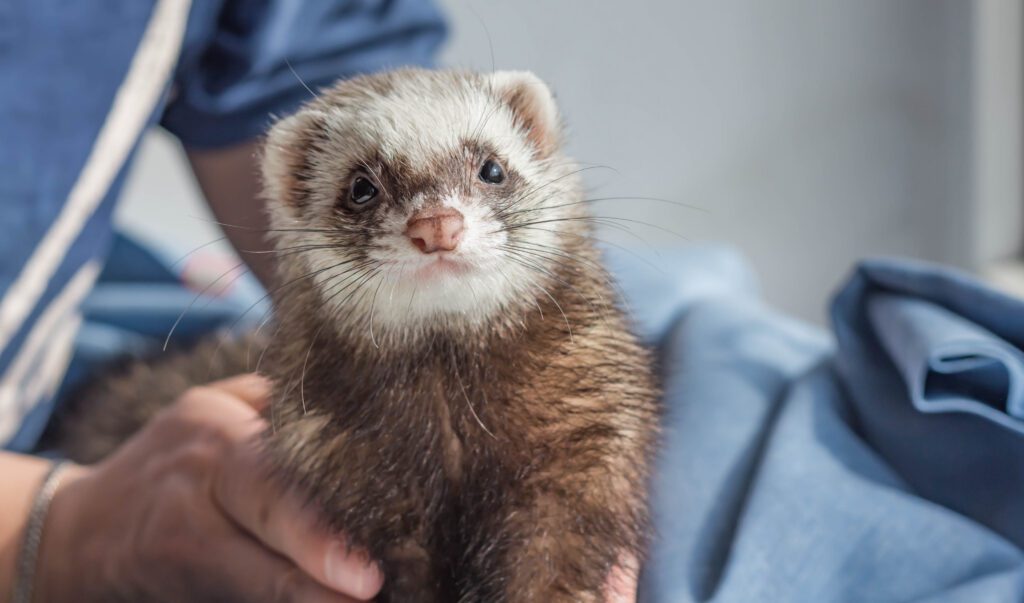
Why Vaccines Matter in Ferrets Vaccination is a critical part of preventive care for ferrets. Two viral diseases—canine distemper and rabies—are both fatal, and one of them poses a direct...
Giving Medication to Rabbits
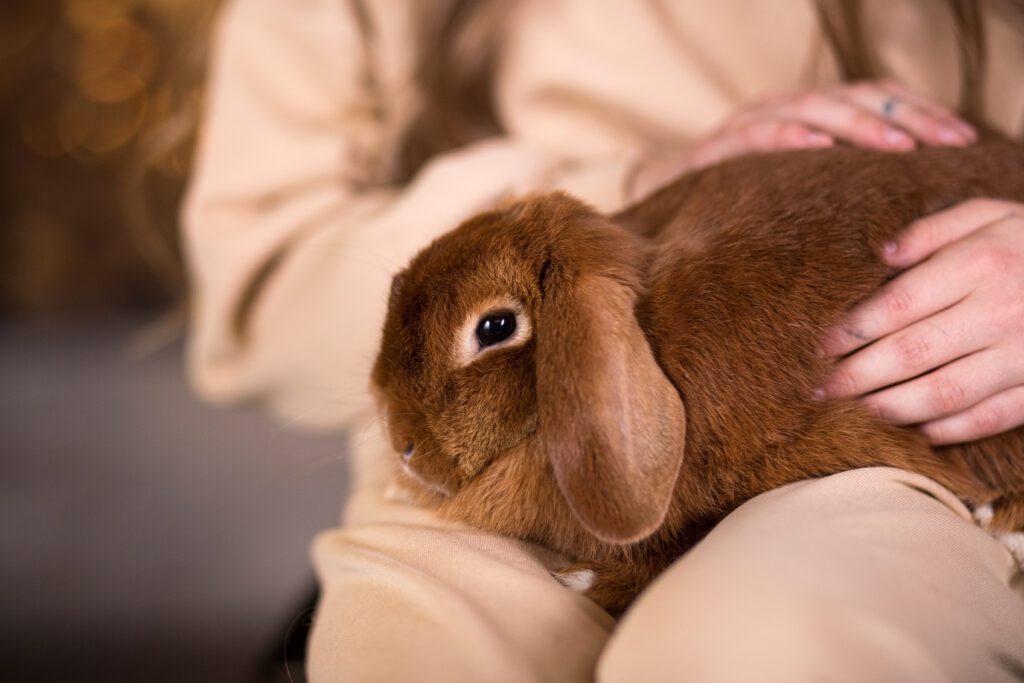
Giving Medication to Rabbits Your veterinarian or a veterinary technician will usually demonstrate how to give oral medications, apply eye or ear treatments, or syringe feed your rabbit. However, many...
Head Tilt in Rabbits
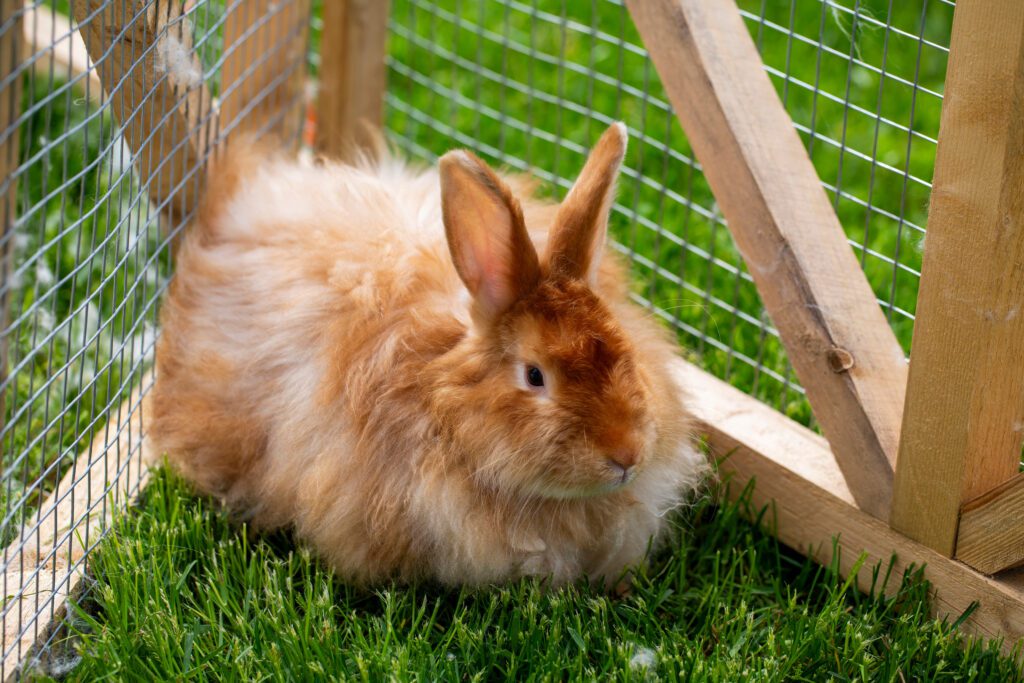
Head tilt in rabbits, also called torticollis or wry neck, is a sign of vestibular disease. The vestibular system is the part of the nervous system responsible for balance and...
Heavy Metal Poisoning in Backyard Chickens
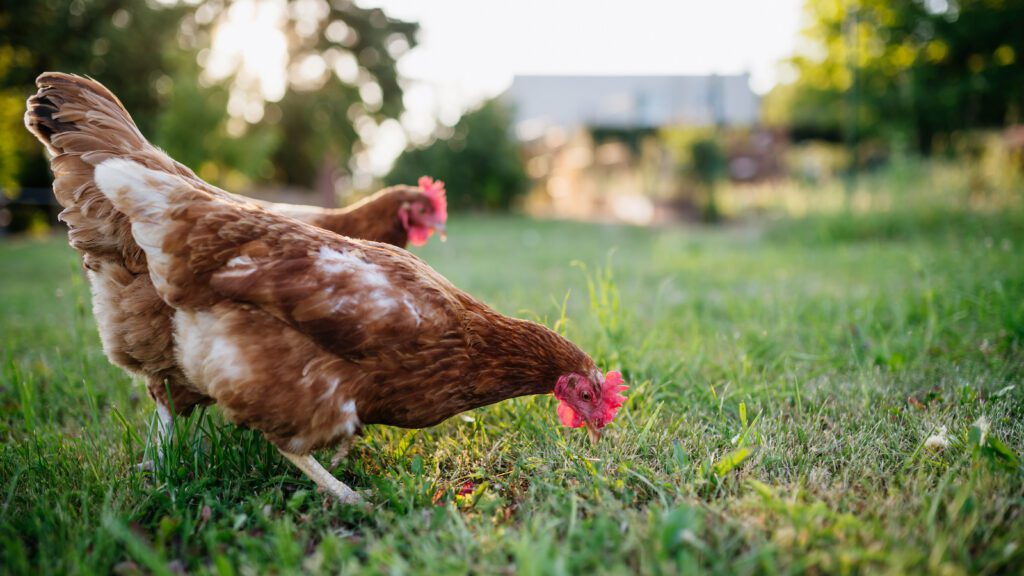
Heavy metal poisoning is an uncommon but potentially life-threatening condition in backyard chickens. Chickens are naturally curious foragers that scratch and peck at the ground all day, making them more...
Ileus (Gastrointestinal Stasis) in Rabbits
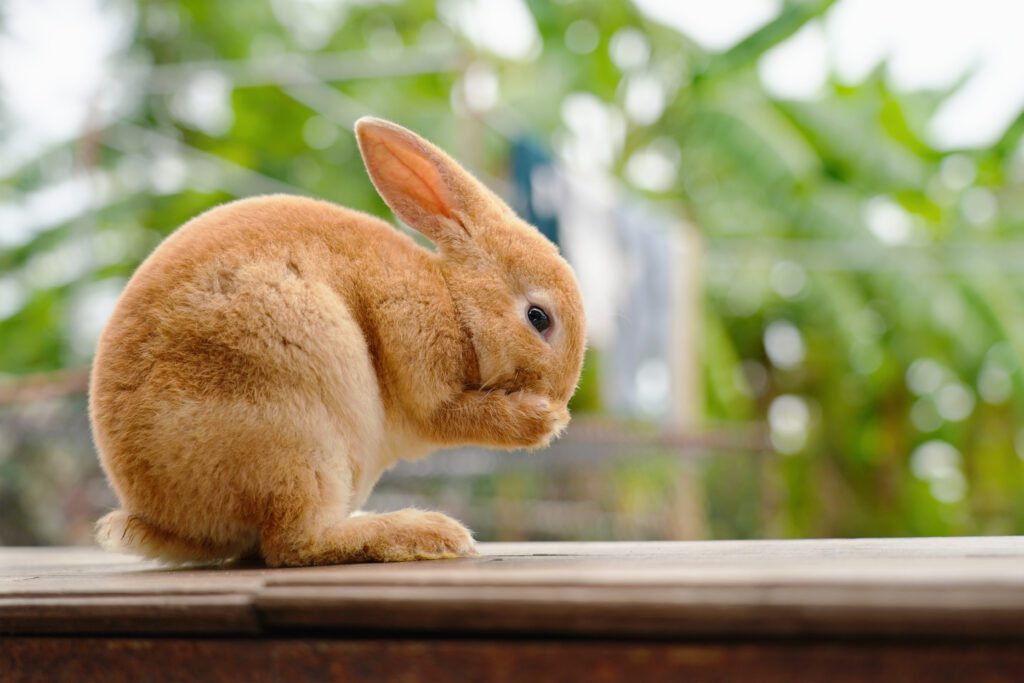
Ileus, also called gastrointestinal (GI) stasis, is one of the most common and serious medical problems seen in pet rabbits. Under normal conditions, coordinated muscle contractions move food through the...
Managing Reproductive Behaviors in Pet Birds
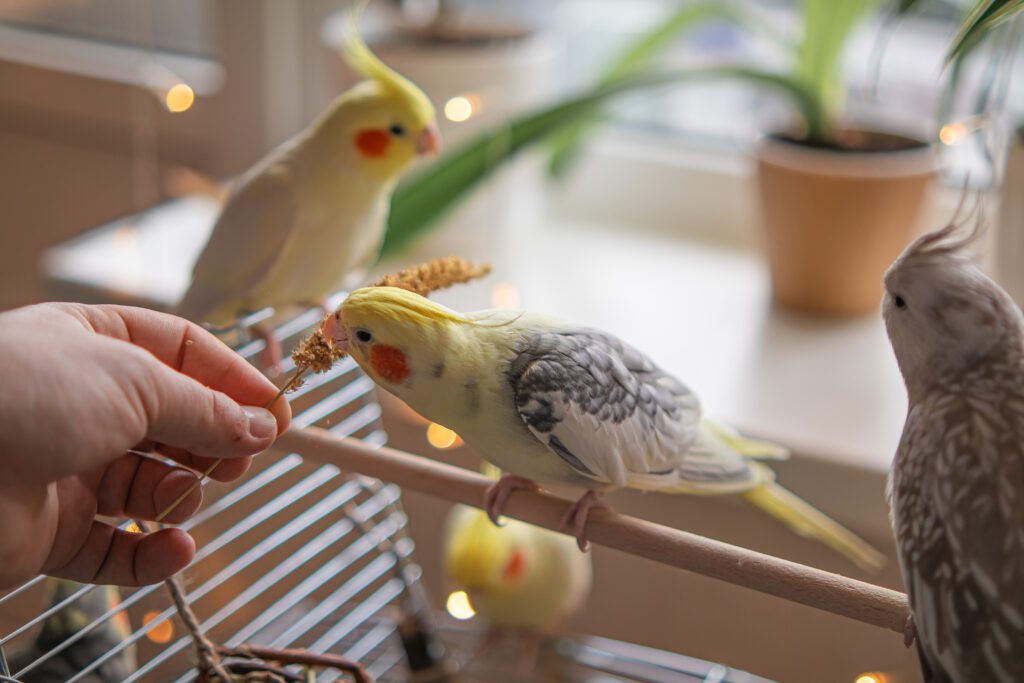
Egg laying is normal in female birds, but chronic laying is not. It raises the risk of egg binding, egg yolk peritonitis, cloacal prolapse, hypocalcemia, and pathologic fractures. The fix...
Marek’s Disease in Chickens
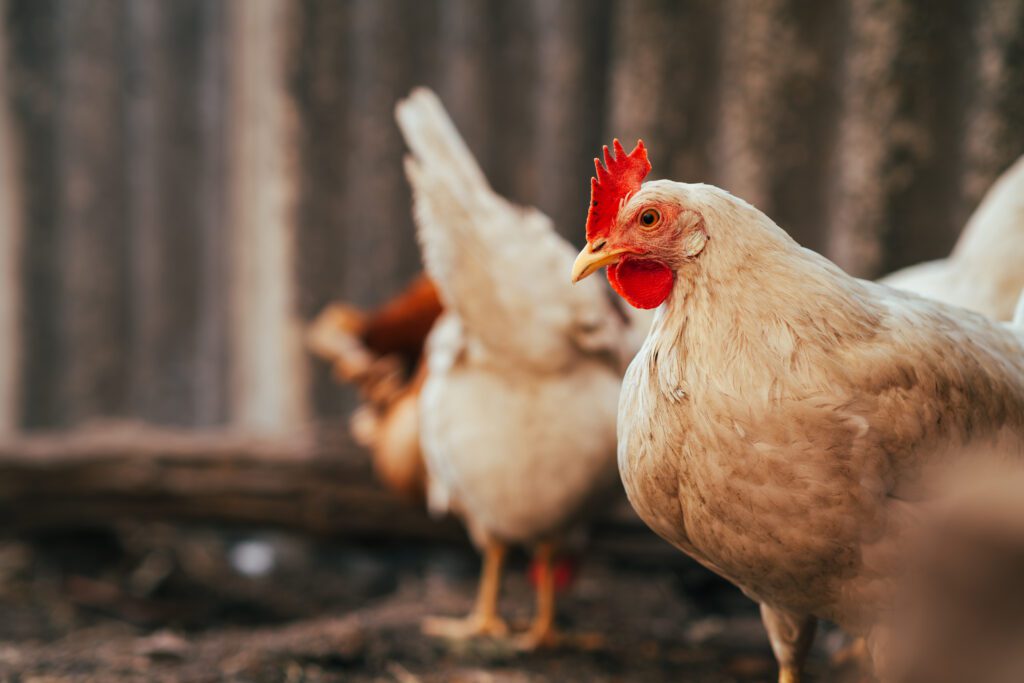
Marek’s is a highly contagious herpesvirus of chickens that spreads in feather dander and dust. Vaccination at hatch and strict biosecurity are the only effective prevention tools. There is no...
Rabbit Hemorrhagic Disease
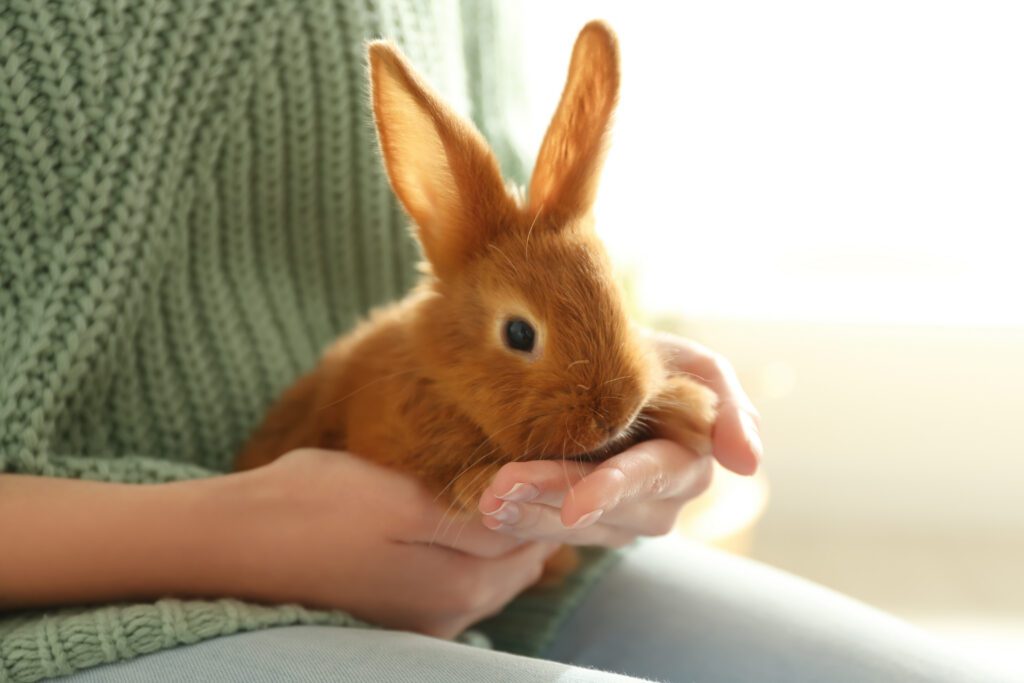
Rabbit Hemorrhagic Disease (RHD) is a highly contagious and often fatal viral disease that affects both domestic and wild rabbits. It is caused by Rabbit Hemorrhagic Disease Virus (RHDV). The...